All episodes

Canada's Rejection of Independence, Part 2:  The Invasion (or Attempted Liberation) of Canada

Canada's Rejection of Independence, Part 2: The Invasion (or Attempted Liberation) of Canada

42m 17s

In the second of our 2-episode series about Canada and the Declaration of Independence, historian Mark R. Anderson talks us through the invasion of "the neighbouring Province" of Canada as well as the third and final letter from the Continental Congress to the Inhabitants of Canada. Topics include:

-The formation of the Continental Army in June of 1775 and the appointment of General Schuyler to invade (or liberate) Canada

-A description of the explanations offered by the Americans to the Canadas for the invasion, namely to protect their property rights and religious freedom, as well as to free them from...

Canada's Rejection of Independence, Part 1: The First Two Letters to the Oppressed Inhabitants of Canada

Canada's Rejection of Independence, Part 1: The First Two Letters to the Oppressed Inhabitants of Canada

45m 30s

"For abolishing the free System of English Laws in a neighbouring Province, establishing therein an Arbitrary government, and enlarging its Boundaries so as to render it at once an example and fit instrument for introducing the same absolute rule into these Colonies."

In the first of this two-part episode about Canada and the rebellious Colonies, we discuss the important differences in the history, politics, religion, demographics, and economies of the two regions. Topics include the following

-The transfer of Canada from France to Britain after the Seven Years' War in 1763

-The complex process of integrating new British settlers and...

Haiti and the Origins of American Diplomacy in the Declaration of Independence

Haiti and the Origins of American Diplomacy in the Declaration of Independence

76m 51s

"...and as Free and Independent States, they have full Power to levy War, conclude Peace, contract Alliances, establish Commerce, and to do all other Acts and Things which Independent States may of right do."

In this episode, Professor Johnson (Baylor U.) explores the origins of American theories of diplomacy and the importance of race and freedom in early American history.

These concepts are seen most clearly in early relations between the USA and France, particularly the French colony of Saint-Domingue (modern day Haiti).

This episode covers the period between the First Treaty of Paris (1763) and the Second Treaty of...

Thomas Paine, Common Sense, and the Declaration of Independence

Thomas Paine, Common Sense, and the Declaration of Independence

72m 10s

In this episode, Dr. Nora Slonimsky, Director the the Institute for Thomas Paine Studies at Iona U., walks you through the life and ideas of one of the most influential figures in American history, Thomas Paine, author of the bestselling political pamphlet Common Sense (10 January 1776).

Topics include:

-Thomas Paine's early life

-The massive popularity of Common Sense

-Similarities between Common Sense and the Declaration of Independence

-Paine's savage critiques of King George and hereditary monarchy

-His support for republicanism, democracy, and egalitarianism

-His role in the creation of many founding myths in America

-His warnings about the dangers...

Hessian Mercenaries and German Reactions to the Declaration of Independence

Hessian Mercenaries and German Reactions to the Declaration of Independence

47m 41s

"He is at this time transporting large Armies of foreign Mercenaries to compleat the works of death, desolation and tyranny, already begun with circumstances of Cruelty & perfidy scarcely paralleled in the most barbarous ages, and totally unworthy the Head of a civilized nation."

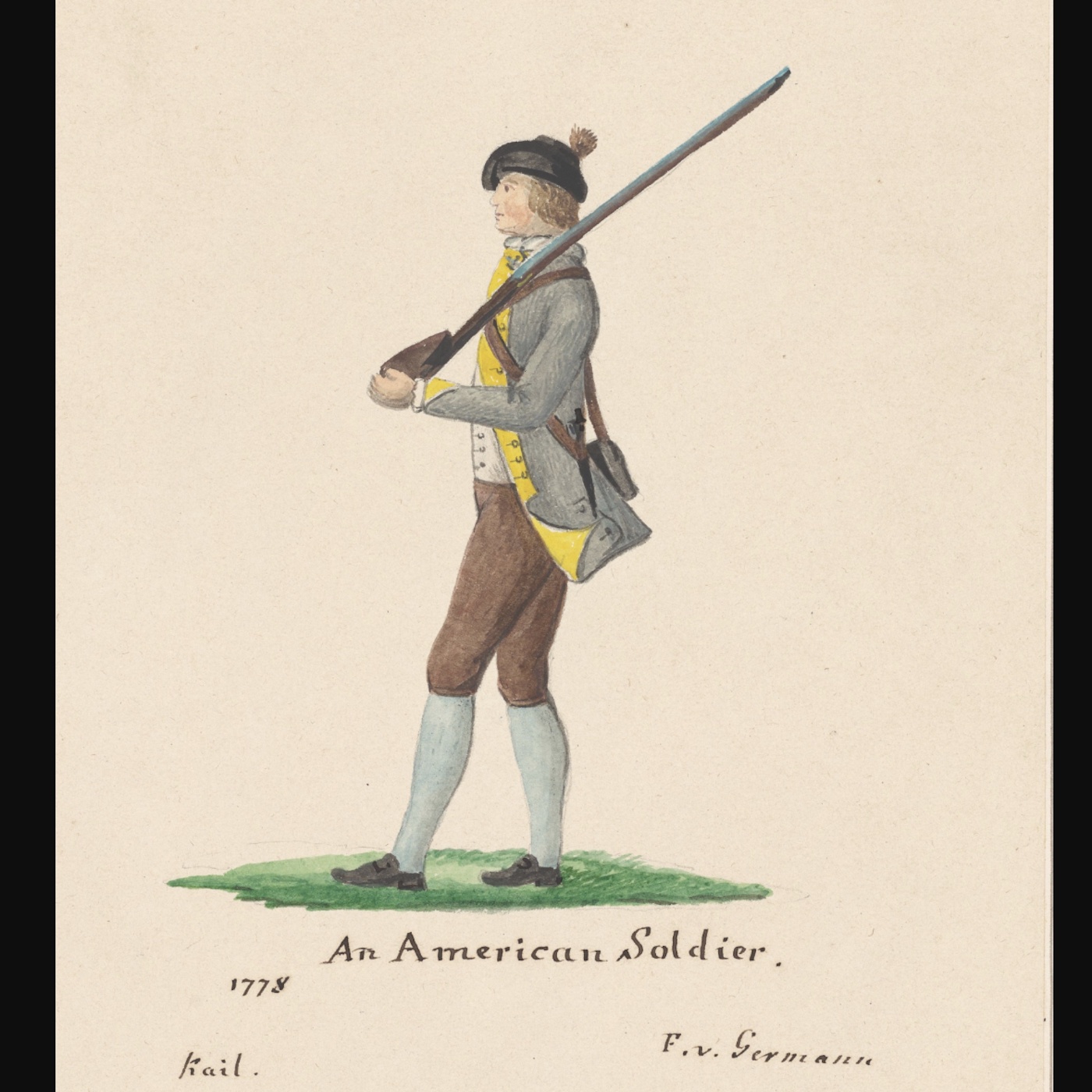
In this episode, we explore grievance #25 in the Declaration of Independence, which laments the deployment of the notorious Hessian mercenaries to the Colonies in order to fight the American rebels. We also look at reactions to the Declaration in various German-speaking provinces in what is now the Federal Republic of Germany. Next, we ponder the...

Chicagoland in 1776

Chicagoland in 1776

36m 20s

How did the indigenous people of Chicagoland understand what was happening in the Colonies in 1776?

Did the Declaration of Independence affect them in any way?

Of course, the City of Chicago was not founded until 1837, but this episode explores the lives of the inhabitants of the Chicago area and the effect of European colonization on their way of life during the Revolutionary War.

Our expert guest, Prof. Theodore Karamanski, walks us through the history of Chicagoland, focussing on the following points:

-Chicagoland during the Seven Years' War (French and Indian War)

-The differences in French and British methods...

Jewish Life in the Colonies

Jewish Life in the Colonies

53m 44s

In this episode, Andrew Sola and Tobias Brinkmann explore the history of the earliest Jews in the Colonies.

Topics include the following:

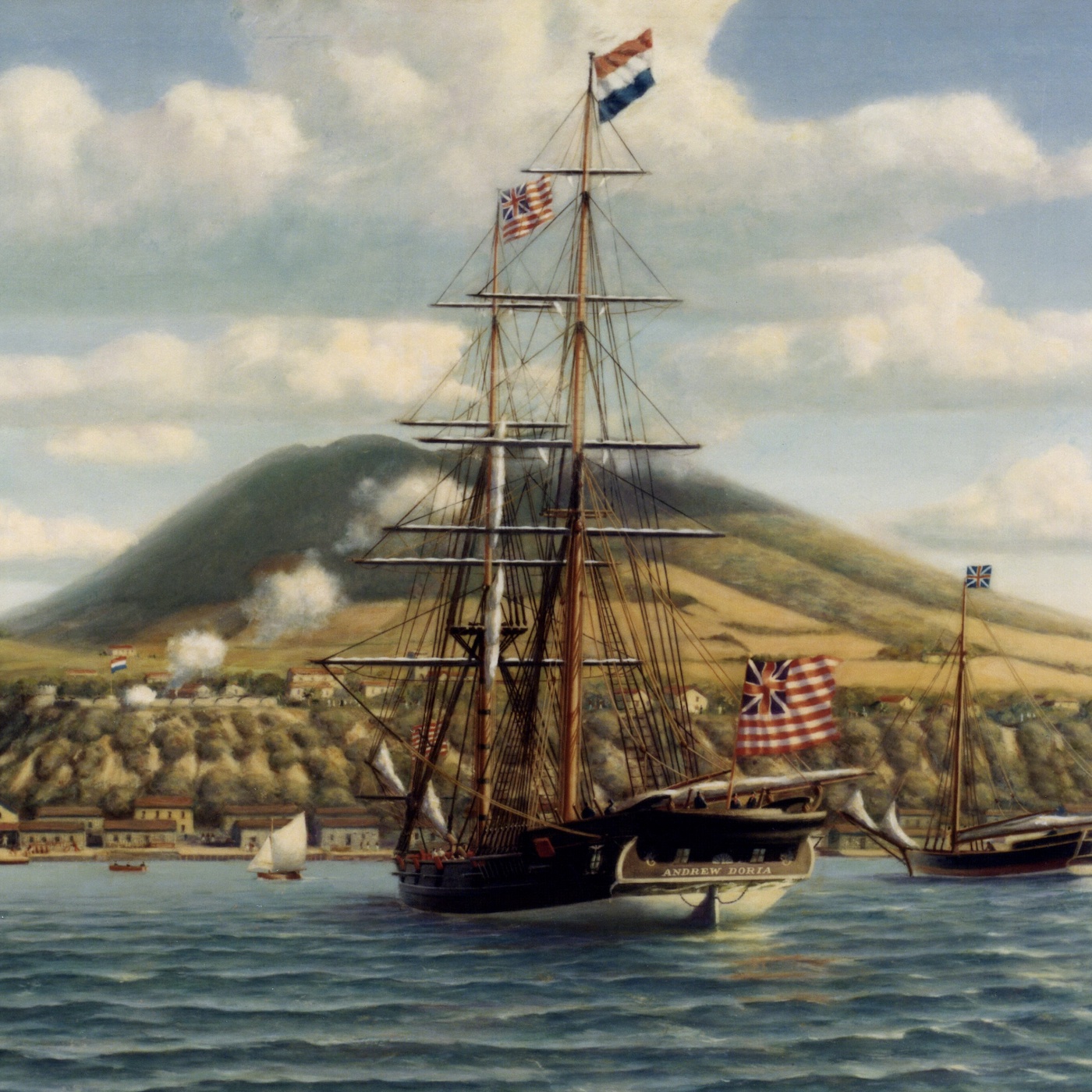
-The arrival in 1654 of the first Jewish ship in New Amsterdam, which was governed by Peter Stuyvesant (who is featured in the photo, arriving in New Amsterdam for the first time)

-The story of Asser Levy, perhaps the first Jewish inhabitant of the North American colonies

-The status of early Jews in Spanish, Dutch, and Portuguese colonies

-Jew and Puritans in the Massachusetts Bay Colony

-Roger Williams, the founder of Rhode Island, where religious freedom for Jews...

Daughters of Liberty: Women and the Declaration of Independence

Daughters of Liberty: Women and the Declaration of Independence

55m 58s

"We hold these truths to be self-evident: that all men AND WOMEN are created equal." Declaration of Sentiments, Seneca Falls Convention

In this episode, Prof. Rosemarie Zagarri explores the legal, social, and political status of women from the Colonial Era through the Revolutionary War, the Seneca Falls Convention (1848), and beyond.

Topics include:

-The tensions between the ideals of the phrase "all men are created equal" and the lived reality of women

-"Coverture" and the legal status of women in the Colonies

-The evolving trans-Atlantic dialogue about women's rights from the Enlightenment through the Revolutionary War

-The incorporation of Colonial...

The Quartering Act and Homosexuality in the Colonies

The Quartering Act and Homosexuality in the Colonies

52m 28s

"He has kept among us, in times of peace, Standing Armies without the Consent of our legislatures."

This Pride Month episode focuses on two questions.

First, why were American colonists increasingly frustrated with the presence of British troops in the Colonies?

Second, to what extent were Thomas Jefferson and the Founders aware of LGBTQ+ issues at the nation's founding?

Topics include the following:

-Grievances 11, 12, and 14 in the Declaration of the Independence

-The Quartering Act of 1774

-Evidentiary problems when trying to access LGBTQ+ history

-'Disordered' sexuality in the Colonies, including gay sex and master-slave sexual relations

-Similarities...

Religion in the Declaration of Independence

Religion in the Declaration of Independence

59m 42s

The Declaration of Independence uses the words 'God,' 'the Creator,' and 'Divine Providence,' but many of the Founders were highly skeptical of both Christianity and also organized religion, preferring the scientific and rational ideals of the Enlightenment.

In this episode, we explore the tensions between religion and reason in the Declaration of Independence.

Topics include the following:

-Theistic and deistic beliefs in the Founders, including Franklin and Jefferson

-The different religious groups in the Colonies, from Baptists and Catholics to Anglicans and Quakers

-Biblical and theological arguments for and against revolution as well as submission to the King

-Grievance #20...